
Winter tends to expose the things people normally work around.
A jacket that feels fine in the fitting, but too bulky once the day gets going. A layer that looks neat, but restricts movement. Fabric that feels comfortable in the morning, but becomes uncomfortable after hours of wear.
In workplaces where uniforms are worn all day, those things become noticeable quickly.
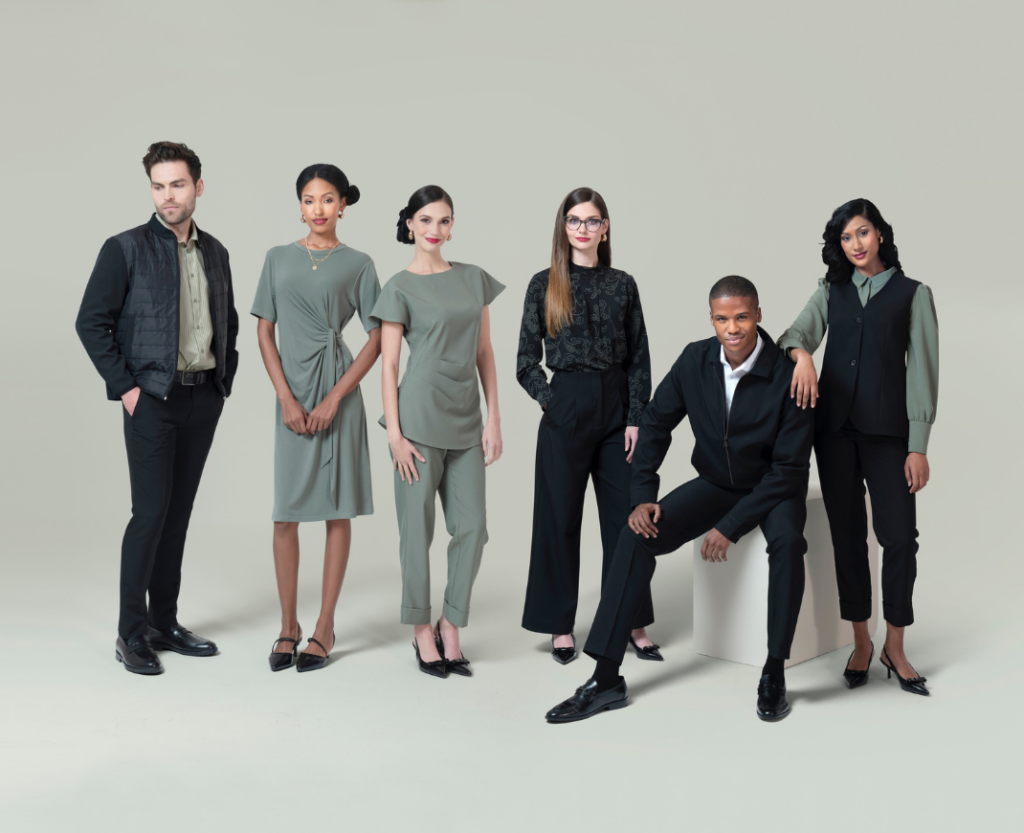
Uniform decisions are often made around appearance, quantity, and budget. All valid considerations. But once garments move into real working environments, different questions start to matter.
Can people move properly in them? Do the layers work together? Will the uniform still be worn properly once the temperature drops?
These are practical questions, but they affect more than comfort.
For HR teams, they affect how people feel throughout the workday.
For operations teams, they affect how consistently uniforms are worn across teams and locations.
For procurement teams, they affect replacement cycles and long-term value.
For brand teams, they affect how the business is seen by customers and clients.
People naturally reach for the garments that make the day easier. The pieces that keep them warm without getting in the way. The ones that still look presentable at the end of a shift. The layers that work properly together instead of needing constant adjustment.
That is usually a good sign of what is working. Because in practice, a uniform becomes part of the workday for the people wearing it.
When something is worn daily, comfort and practicality are not small details. They are part of whether the uniform works at all.
The real test is not how a uniform looks on day one. It is whether people still choose to wear it properly, consistently, weeks and months later.